How a Gin Bar Crafts a Unique Brand Identity
A strong brand identity does not begin with a logo, a clever name, or a shelf lined with imported bottles. In a successful Gin Bar, identity starts with a point of view. It answers a simple but surprisingly difficult question: why should people remember this place, talk about it, and return when there are dozens of other bars competing for the same evening?
That answer has to live in every part of the business. The room, the drinks, the service style, the music, the glassware, the menu language, the lighting, even the way tonic is poured all contribute to the impression a guest takes home. When these pieces line up, a bar feels coherent. When they do not, even expensive design and a deep back bar can leave guests unmoved.
I have seen bars spend heavily on interiors while treating the drink program as an afterthought, and I have seen tiny spaces with limited budgets build devoted followings because every choice felt deliberate. A distinctive Gin Bar does not have to be grand. It has to be specific.
Identity begins with a clear idea of what kind of place it is
The first mistake many operators make is trying to be everything at once. They want the authority of a serious cocktail den, the accessibility of a neighborhood local, the energy of a late night venue, and the polish of a luxury hotel bar. Those ambitions can coexist to a degree, but only if one leads and the others support it.
A Gin Bar needs a central character. That character may come from British club tradition, Mediterranean brightness, botanical craftsmanship, urban minimalism, or local heritage. The important thing is not which route is chosen, but whether it is chosen with conviction.
A bar built around botanical exploration will make different decisions than one built around social ease. The first might feature tasting flights, detailed notes on juniper varieties, and a slower, more educative service style. The second might focus on highball speed, easy menu language, lower barriers to entry, and a room designed for groups. Neither is better by default. What matters is that the concept drives the operation instead of decorative trends doing the work alone.
This is where many memorable venues separate themselves. They understand that identity is strategy, not surface.
Gin gives a bar more storytelling material than almost any other spirit
Gin is unusually rich territory for branding because the category itself carries texture. There is geography, botany, production method, history, and ritual. A well-built Gin Bar can draw on all of that without sounding academic or exclusionary.
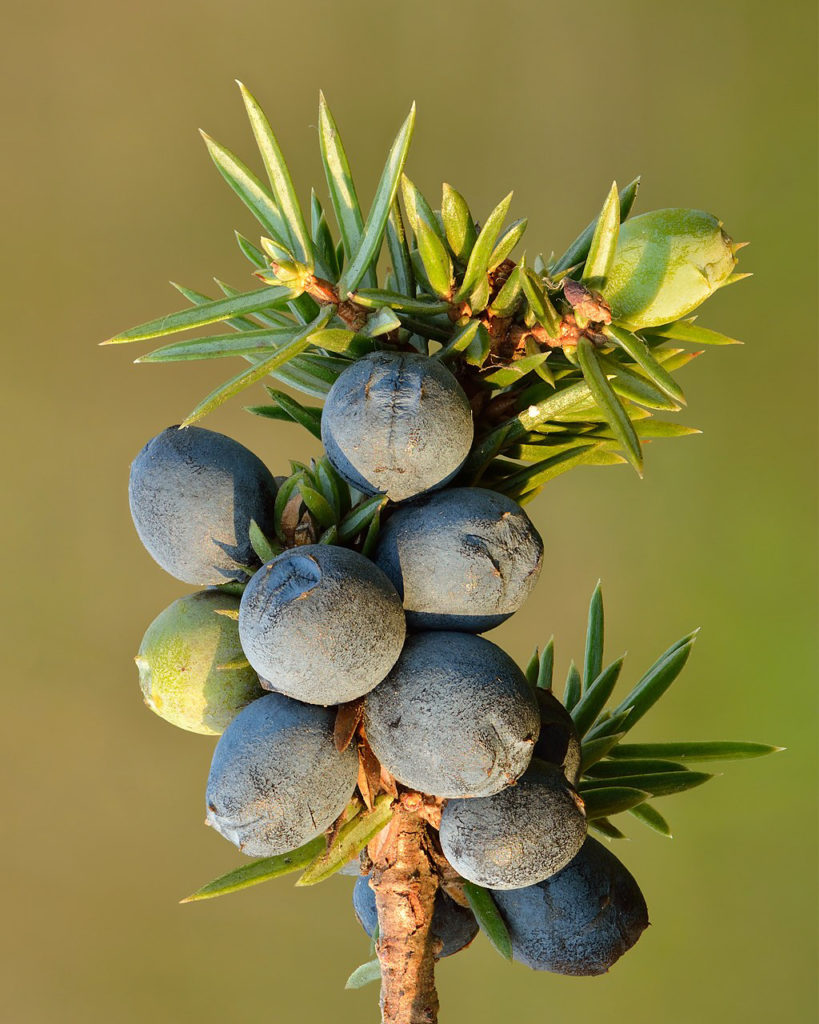
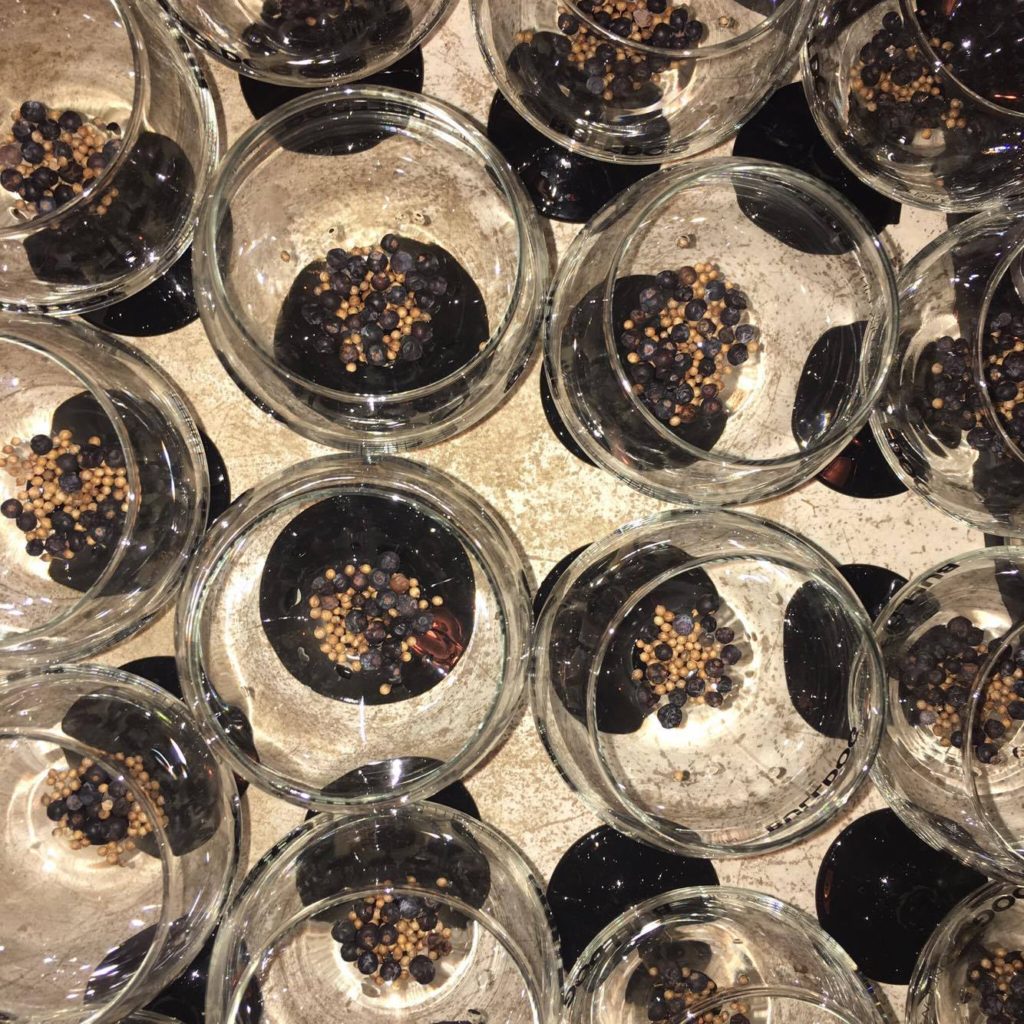
Think about what gin offers. Juniper is mandatory, but beyond that the spirit becomes a canvas. Citrus peel, coriander seed, angelica root, orris, cardamom, lavender, rosemary, pepper, seaweed, olive, tea, wild herbs, local flowers, and regional spices can all shape the final profile. This gives a bar genuine material for storytelling, and guests respond to stories they can taste.
One bar may lean into coastal gins and pair them with saline garnishes, oyster shell details, pale blue glassware, and bright, bracing serves. Another may center on garden aromatics with fresh herbs, pressed botanicals, softer lighting, and a slower, more intimate atmosphere. The spirit category supports both, but the expression has to be unified.
Good brand identity translates abstract ideas into sensory cues. Guests should not need a paragraph of explanation to understand the place. They should feel it in the first 30 seconds.
The room speaks before the bartender does
Interior design carries a dangerous temptation. Owners often chase beautiful references without asking whether those references fit the kind of gin experience they intend to create. A marble bar top, brass shelving, velvet stools, and dim amber lighting can look impressive in photographs, but if the menu is built around crisp, refreshing G and Ts served in balloon glasses with aromatic garnishes, that environment may feel oddly heavy.
A room should reinforce the drink program. If the house style celebrates freshness and botanical lift, the design might benefit from visual air, cleaner lines, restrained color, and tactile natural materials. If the bar wants to evoke old-world ritual and spirit-led precision, richer woods, tighter seating, lower light, and more theatrical service stations may make sense.
Scale matters too. A 28-seat Gin Bar can cultivate intimacy and precision in ways an 80-seat venue cannot. In a smaller room, staff can remember preferences, explain a new distillery release, and create the kind of recognition that turns a one-time guest into a regular. In a larger room, identity often depends more heavily on visual codes and service systems because individual interaction is harder to maintain at the same level.
The strongest spaces do not feel overdesigned. They feel resolved. Guests notice when furniture, menu stock, signage, bar tools, and washroom details belong to the same world.
A name and visual system should promise something real
Brand names often fail because they sound like branding exercises rather than places people want to visit. A good Gin Bar name carries tone. It can suggest wit, geography, ritual, craftsmanship, or mood, but it should be easy to say, easy to remember, and rich enough to inspire a visual language.
The visual system then extends that promise. Typography, color palette, logo, menu layout, bottle display, staff aprons, coasters, and social imagery should all feel related. This does not require elaborate design theory. It requires discipline.
A practical test is simple: remove the logo entirely. Would a guest still recognize the brand from the menu voice, the photography style, the garnish approach, and the room itself? If the answer is no, the identity is too dependent on graphics and not rooted deeply enough in operations.
I once worked with a venue that wanted to position itself as a serious botanical house, but its menu looked like a nightclub flyer and its Instagram feed was filled with neon party shots. The disconnect confused people. Guests arrived expecting one atmosphere and found another. Revenue was not the only casualty. Trust was. Once expectation and experience drift apart, branding starts to feel like a promise broken.
The menu is where identity becomes tangible
No object in a Gin Bar carries more branding weight than the menu. It is not just a sales tool. It is a manifesto in shorthand. It tells guests what matters here, what level of knowledge is assumed, and whether they are being welcomed into a conversation or tested on one.
Some bars make the mistake of listing dozens of gins with producer notes so dense they read like trade documents. Others oversimplify to the point where every drink sounds interchangeable. The right balance depends on the audience, but clarity always wins.
A strong gin menu does three jobs at once. It guides the undecided guest, rewards the curious guest, and expresses the bar's values without lecturing. If the house believes tonic pairing matters, the menu should make that useful and easy to grasp. If martinis are central to the identity, they deserve thoughtful treatment rather than a token mention. If local distilleries are important, they should be integrated naturally instead of tucked into a separate patriotic corner.
Language matters enormously here. “Floral,” “citrus-led,” “resinous,” “savory,” and “dry” are more helpful than ornate prose that sounds poetic but says little. The goal is to spark confidence. Guests order more freely when they understand what is being offered.
A menu can also signal seriousness through structure. A house section devoted to signature serves, a concise martini page, a well-curated G and T set, and a rotating distiller feature often does more for identity than a chaotic list of 120 labels.
Signature serves create memory faster than bottle count
There is a persistent belief in spirits-led venues that a huge back bar equals credibility. It can help, but volume alone is not identity. A Gin Bar with 40 carefully chosen bottles and six unforgettable signature drinks often leaves a deeper impression than one with 200 labels and no clear house point of view.
Signature drinks are where a bar can articulate its style most vividly. They show how the team thinks about balance, aroma, dilution, garnish, and presentation. They also create repeatable memories, which is what branding really lives on.
The best signature serves are not gimmicks. They feel inevitable, as if they could only belong to that specific bar. That might mean a frozen gin and white vermouth aperitif served in etched stemware on a hot city terrace, or a savory martini with a local herb distillate and preserved lemon oil in a cool, low-lit room.
A few practical markers separate memorable signatures from forgettable ones:
- They express the house style clearly.
- They can be executed consistently during a rush.
- They justify their garnish and glassware choices.
- They taste distinct from neighboring venues' menus.
- They remain legible to guests, even when inventive.
That last point matters. Innovation that forces a two-minute explanation can become a drag on service and a barrier to ordering. The drink should intrigue, not intimidate.
Service style is the living voice of the brand
Bars often underestimate how much brand identity depends on staff behavior. Guests may forgive a slightly delayed drink. They rarely forget a service style that feels cold, chaotic, or at odds with the room.
A Gin Bar can be highly knowledgeable without becoming self-important. In fact, the best teams make expertise feel generous. They know when to explain botanicals in detail and when to simply ask whether someone wants something crisp, savory, or aromatic. They read the table. That judgment is branding in action.
Training should cover product knowledge, of course, but also the emotional tempo of service. Is the bar aiming for precise ritual, relaxed warmth, or lively sociability? Those modes affect everything from greeting style to check timing to how much bartenders narrate a drink build in front of guests.
Consistency is the Gin Bar thewinslownyc.com real challenge. One charismatic bartender can create a brilliant experience, but a brand survives only if the standard holds on a wet Tuesday with two call-outs and a full rail. That is why strong bars codify the invisible details. They decide how water is offered, when a guest gets a fresh napkin, how tonic recommendations are phrased, how martinis are checked back on, and what tone staff use when correcting misconceptions.
Those details sound minor until they accumulate. Then they become the difference between a venue with regulars and one with occasional admirers.
Glassware, garnish, and ritual are not decoration
Few categories invite visual excess as easily as gin. Oversized goblets, towers of herbs, smoke, mist, flowers, peels, dehydrated fruit, and elaborate tonic presentations can quickly tip from stylish to cartoonish. Brand identity suffers when presentation becomes untethered from taste.
Every visible choice should earn its place. If a grapefruit peel lifts a citrus-led London dry, use it. If a rosemary sprig contributes aroma that suits the serve, fine. If a garnish exists only because it photographs well, guests usually sense the emptiness of it, especially when the drink itself is ordinary.
Ritual matters, though. Guests remember well-chosen ceremony. A measured pour of chilled tonic from a small bottle at the table can feel elegant. A martini finished from a frozen sidecar can create theatre with purpose. A neat presentation of botanicals alongside a tasting flight can support education rather than distract from it.
The principle is simple. Ritual should heighten the guest's understanding and enjoyment of the drink, not compete with it.
Music, pacing, and lighting shape the social identity
Many operators treat atmosphere as secondary, but atmosphere often decides whether guests order one drink or stay for three. A Gin Bar's identity is social as much as aesthetic. Is it a place for dates, post-work decompression, serious tasting, celebratory groups, or solo drinking at the bar? In most cities, the answer affects revenue as directly as menu engineering.
Music is one of the quickest ways to fracture identity. A refined room with an intelligent gin list can be undercut by a playlist that pushes the energy two levels too high. The reverse happens too. A bright, convivial concept can feel dead if the soundtrack is too subdued. Volume is just as important as genre. If guests have to lean in constantly, subtle service and product education become difficult.
Lighting does similar work. A slight adjustment can change the perceived price point, romance level, and dwell time of a room. Too bright, and premium martinis lose some of their glamour. Too dark, and menus become frustrating while garnish detail disappears. Experienced operators test lighting at different times of evening because a setting that looks perfect at 6:00 p.m. Often feels gloomy by 9:30.
Pacing belongs in the same conversation. Some Gin Bars benefit from turnover. Others win by encouraging longer stays and second rounds. Identity becomes sharper when the physical environment supports the desired rhythm of trade.
Local context often matters more than imported prestige
There is a tendency in spirits bars to reach for European cues as shorthand for authority. Sometimes that works. Just as often, it produces a generic luxury feel with no local relevance. The most convincing bars take the global language of gin and filter it through the city, neighborhood, or community they actually serve.
That can show up in obvious ways, such as featuring regional Gin Bar distillers or local botanicals. It can also show up more subtly through design references, naming, food pairings, or service rituals shaped by local habits. A bar in a coastal city may lean into salinity and fresh shellfish pairings. A venue in a colder climate may build identity around stronger stirred drinks, winter spices, and a cocooning interior. An urban neighborhood bar may deliberately soften the formality often associated with premium gin service.
This is where authenticity becomes practical rather than moral. Guests can tell when a concept has been copy-pasted from another market. They may still enjoy it, but they are less likely to feel ownership of it. Local specificity gives people a reason to claim a bar as theirs.
Price tells a branding story too
A Gin Bar cannot call itself accessible if every serve lands at a level that quietly excludes half the neighborhood. It cannot claim premium expertise if the drinks are priced like commodity highballs with no visible care. Pricing communicates confidence, target audience, and operational logic.
This does not mean cheap equals democratic or expensive equals aspirational. It means prices must align with experience. Guests will pay a premium for a carefully chilled martini made with house-selected gin, proper vermouth handling, polished service, and a room that supports the occasion. They resist premium pricing when the details do not back it up.
There is also a useful branding role for entry points. A smartly priced house G and T, a mini martini option, or an early evening aperitif serve can widen the funnel without diluting identity. Bars that think only in terms of top-line margin sometimes miss the long-term value of approachability. A guest who starts with a well-priced first drink and feels comfortable often trades up on the second round.
Digital presence should mirror the in-room experience
For many guests, brand identity is encountered online before they ever see the bar. That makes websites, reservation pages, Google listings, and social channels extensions of the venue, not side tasks.
A common mistake is letting digital content drift into generic hospitality tropes. Endless close-ups of clinking glasses, vague captions about good vibes, and inconsistent photography do little to distinguish a serious Gin Bar. The stronger approach is to document the actual identity of the place: the specifics of the drinks, the back-bar philosophy, the room at its natural best, the people behind the program, and the subtle rituals that make service memorable.
Practical information is part of the brand too. If the bar takes reservations for certain sections, explains flight options clearly, notes peak times honestly, and gives guests a realistic sense of atmosphere, it starts the relationship on solid ground. Confusion is rarely stylish.
A brand becomes real when it survives pressure
Any bar can feel coherent during a launch month. The true test comes later, once staffing changes, trends shift, supplier issues arise, and the novelty fades. That is when brand identity either hardens into something durable or dissolves into scattered decisions.
The operators who protect identity well tend to revisit a few core questions regularly:
- Does the menu still sound like us?
- Are new hires being trained into the service culture, not just the specs?
- Have seasonal changes strengthened the concept or muddled it?
- Are we saying yes to collaborations and events that fit the brand?
- Do guests describe the bar in the terms we hoped they would?
That last question is especially useful. Listen to how regulars explain the bar to friends. If they say it is “the place with amazing martinis and bartenders who actually guide you” or “the bright gin spot where every tonic pairing makes sense,” the brand is landing. If they struggle to describe it beyond “nice place,” there is usually more work to do.
Distinction comes from restraint as much as creativity
One of the hardest lessons in bar branding is that not every good idea belongs in the same room. A Gin Bar may be capable of doing tastings, brunches, live music, elaborate seasonal menus, guest shifts, retail bottle sales, private events, food pairings, and educational workshops. Capability is not the issue. Coherence is.
Unique identity is often built by what a bar refuses to do. Turning down a trend that does not fit the house style can strengthen the brand more than chasing short-term attention. The same goes for menu sprawl, decorative overreach, and social content that performs well online but misrepresents the actual experience.
The bars people remember tend to edit well. They choose a lane broad enough to evolve, but clear enough to own. In a category as expressive as gin, that discipline is a competitive advantage.
A great Gin Bar does not merely sell drinks flavored with juniper and botanicals. It stages a world around them. Guests should sense intent in the glass, in the room, and in the welcome. When all of that aligns, branding stops looking like marketing. It becomes character, and character is what brings people back.
The Winslow
243 E 14th St
New York, NY 10003, United States
Phone: +1 212-777-7717
FAQ About Gin Bar
How to do a gin tasting?
Start with a small pour and gently smell the gin before taking a small sip. Notice its juniper, citrus, floral or spice notes, then compare how the flavor changes with a little water or tonic. At a gin bar, ask the bartender to explain the selection and botanical pairings.
How to make the best tasting gin and tonic?
Use chilled gin, fresh tonic and plenty of ice. A common starting ratio is one part gin to two parts tonic, adjusted to taste. Choose a garnish that complements the gin's botanicals and stir gently to preserve the bubbles.
What is the smoothest tasting gin?
There is no single smoothest gin for everyone. Perceived smoothness depends on the botanical recipe, alcohol strength, serving temperature and mixer. Describe whether you prefer citrus, floral, herbal or juniper-forward flavors so a bartender can suggest a suitable style.