How Gin Bar NYC Venues Blend Tradition and Innovation
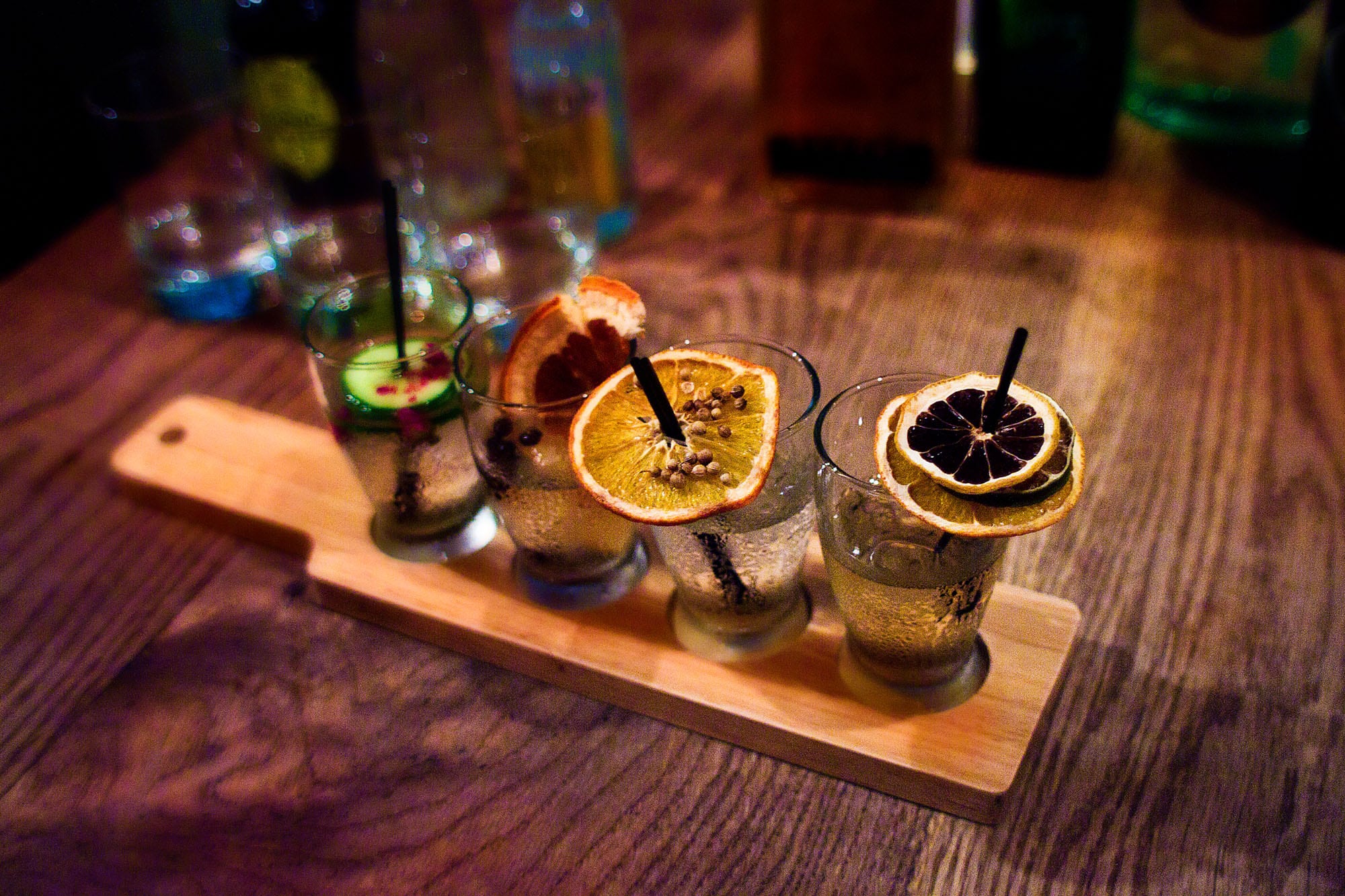
New York has always rewarded places that know how to balance memory with momentum. A great bar in this city cannot survive on nostalgia alone, and it cannot build loyalty on novelty alone either. The most compelling gin programs understand that truth at a very practical level. They respect the long arc of gin, from Dutch genever roots to London dry discipline to modern botanical experimentation, while serving a crowd that expects originality, speed, and a sense of occasion. That tension, handled well, is exactly what gives a strong Gin Bar NYC venue its character.
You can see the blend before the first sip arrives. It appears in old wood bars fitted with precise refrigeration. It shows up in a martini service that feels almost ceremonial, yet arrives with house-made saline, temperature control, and glassware selected for aromatic lift rather than old-school theater alone. It lives in back bars that display names with a century of history next to small producers from New York State, Japan, Spain, and Australia. Nothing about this is accidental.
Gin gives New York bartenders unusual range because the category itself has never stood still. Whiskey often asks a venue to take a position on age, provenance, and patience. Tequila and mezcal reward deep regional knowledge and a sensitivity to agave styles. Gin, by contrast, invites a bar to curate around botany, texture, proof, and cocktail structure. That makes it the perfect spirit for a city where guests can order a freezer-cold martini at 6 p.m., a savory highball at 8, and a bright, low-ABV spritz before heading home.
Why gin suits New York so well
The city’s drinking culture has always favored spirits that perform in multiple settings. Gin does exactly that. It can be formal without becoming stiff, playful without becoming unserious. In one room, it supports exacting classics. In another, it carries seasonal ingredients, teas, ferments, citrus oils, and saline blends without disappearing beneath them. For operators, that flexibility matters. For guests, it keeps the category from feeling repetitive.
A well-run gin bar also solves a business problem that many New York venues face. Rent is high, labor is expensive, and every square foot has to justify itself. Gin allows a program to stretch across dayparts and occasions. A guest who does not want brown spirits might still order a gin and tonic with lunch, a Collins before dinner, and a martini later in the evening. That kind of versatility helps bars build a coherent menu without forcing every drinker into the same mood.
There is another reason gin works here. New Yorkers tend to appreciate specificity. They want to know why one bottle tastes different from another, why one martini arrives bone cold and another slightly softer, why one tonic is aggressively bitter and another more floral. Gin rewards that curiosity because the details are not cosmetic. Juniper level, coriander brightness, angelica root depth, citrus peel expression, ABV, and distillation method all show up in the glass.
The old bones still matter
The best gin-focused venues in the city rarely treat tradition as costume. They use it as infrastructure. That distinction matters.
A bar can borrow the visual language of a classic cocktail den, brass rails, cut crystal, white jackets, heavy menus, and still feel hollow if the drinks do not reflect any real understanding of the canon. On the other hand, a room with a more contemporary design can feel deeply traditional if the bartenders know how to stir a Martinez properly, if they understand why vermouth freshness matters, and if they can explain when a gimlet should be taut and when it should be rounded out.
In practice, tradition in a Gin Bar NYC setting usually starts with service standards. Glassware is chilled correctly. Citrus is cut with intention, not as a garnish afterthought. Dilution is watched closely. Ice is chosen for function rather than Instagram. Staff know the difference between a London dry built for structure and a softer contemporary gin built for aromatic bloom. These things sound small until they go wrong. Then they become the whole experience.
Martinis are often the clearest test. A bar may offer only a few variations, but each one reveals its philosophy. Does it default to the coldest possible serve, or does it leave a little room for texture and botanical expression? Does it treat vermouth as a whisper, or as a living ingredient? Does it offer a house blend? Does it keep open bottles under refrigeration and cycle them fast enough to preserve brightness? Guests may not ask those questions directly, but they taste the answers.
The same goes for classics beyond the martini. A proper gin and tonic is not a simple drink when done carefully. The ratio matters. The shape and temperature of the ice matter. The carbonation level matters. Garnish choice matters because garnish is aroma, and aroma changes the drink before the liquid ever reaches the tongue. Bars that respect the category know this instinctively.
Innovation now happens behind the obvious details
Innovation in New York bars used to announce itself loudly. Foams, smoke, unusual vessels, dramatic visuals, and hard-to-pronounce ingredients signaled ambition. Some of that still has a place, but the current version of innovation in serious gin programs is subtler and, frankly, more useful.
One of the biggest changes is technical precision. Freezer programs, controlled dilution, draft cocktails, clarified components, and careful batching have allowed bars to serve gin drinks at a consistently high level even during punishing service. That matters in a city where the difference between a 6 p.m. First round and a 9 p.m. Rush often determines whether a venue develops a reputation for quality or inconsistency.
Take the martini again, because it remains the benchmark. More bars now pre-batch gin and vermouth at chosen ratios, sometimes with water already added to account for dilution. Stored at subzero temperatures, that mixture can be poured into a frozen glass with almost surgical consistency. Purists sometimes resist this approach, but the results can be excellent. When done right, the drink arrives colder, clearer, and more stable than one assembled in a rush from warm bottles and hurried stirring. Tradition is preserved, but the workflow is modern.
Innovation also appears in ingredient sourcing. Bars are drawing from local herbs, regional citrus when available, upstate producers, and nontraditional botanicals without forcing every drink into a gimmick. A menu might feature a gin highball built with shiso, cucumber distillate, and a crisp tonic alternative, yet the structure remains clean and readable. The point is not to obscure the spirit. The point is to frame it.
Another shift is sensory design. Many venues now think beyond flavor into texture and aroma in a more disciplined way. Saline can sharpen botanicals without making a drink taste salty. Carbonation can change the perceived dryness of a serve. A lemon twist expressed over the top can make a restrained gin feel brighter than it actually is. These are fine adjustments, but they separate good bars from excellent ones.
The rise of the curated back bar
A decade ago, some bars measured credibility by sheer bottle count. The modern guest is less impressed by excess for its own sake. A meaningful gin selection in New York is not necessarily the biggest one. It is the one arranged with purpose.
That means a back bar should help guests understand the category rather than intimidate them. A thoughtful selection might include classic London dry expressions, a handful of navy strength options, one or two old tom bottlings, several contemporary gins with softer juniper profiles, and perhaps a genever for guests interested in history. Add a few international standouts and some smaller domestic producers, and the bar has enough range to support education, experimentation, and repeat visits.
The strongest programs train staff to translate that range into plain language. Guests rarely order by production method. They order by feeling. They want something crisp, something savory, something floral, something citrus-forward, something martini-friendly. A bartender who can map those preferences onto bottles without sounding rehearsed creates trust very quickly.
This is where lived hospitality matters more than technical knowledge alone. Not every guest asking for a gin recommendation wants a lecture on vapor infusion. Sometimes they want a clean drink before dinner. Sometimes they are whiskey drinkers who think they dislike gin because they last had one that tasted like potpourri. Sometimes they are looking for a dirty martini but would probably be happier with a 50-50 and a twist if someone took the time to steer them. Great gin bars do that steering gently.
Tonic, vermouth, and the supporting cast
One of the clearest signs that a venue takes gin seriously is how it treats the ingredients surrounding it. Cheap tonic can flatten an expensive pour in seconds. Stale vermouth can make a martini feel tired before it reaches the table. Garnishes cut too early can turn aromatic drinks dull and pithy.
In better bars, tonic is not an afterthought. Some use premium bottled tonics with different quinine levels and sugar profiles. Others create house tonic syrups and pair them with highly carbonated soda to control sweetness and bitterness more precisely. The guest may only notice that the drink tastes cleaner, drier, or more vivid, but those outcomes come from real choices in formulation.
Vermouth management is even more important. Open bottles oxidize quickly, especially in warm service wells. Bars that care about martinis and their relatives refrigerate vermouth, date bottles, and rotate stock with discipline. This is not glamorous work, yet it may be the difference between a drink that feels exact and one that feels vaguely muddled.
Then there is garnish. The best bars treat twists, peels, olives, onions, herbs, and citrus wheels as active ingredients. A broad grapefruit peel can transform a Spanish-style gin and tonic. A restrained lemon twist can sharpen a classic martini without overwhelming it. Good olives matter. Good cocktail onions matter. I have seen bars spend heavily on spirits and then undermine them with mediocre garnish, which is like tailoring a fine suit and pairing it with worn-out shoes.
Design tells you what the program values
Walk into enough New York bars and you start to notice that room design often mirrors the drink philosophy. Venues rooted in classic gin service tend to favor intimacy, softer light, measured acoustics, and seating that encourages lingering over stirred drinks. More contemporary spaces may lean brighter and more social, with menus built around spritzes, highballs, and lower-ABV serves that suit a longer evening.
Neither model is superior. What matters is coherence. If a bar presents itself as temple-like but serves careless drinks, the gap feels unforgiving. If a bar is energetic and casual yet delivers precise cocktails with warmth, guests forgive a lot. The most memorable Gin Bar NYC venues often bridge the two. They create rooms where a serious drinker can focus on the liquid while a less specialized guest simply enjoys being there.
That blend of old and new extends to music, pacing, and even menu language. Menus used to lean heavily on obscure references as a kind of gatekeeping. Many now write more directly. They describe flavor, style, and spirit choice with confidence but without condescension. That is an improvement. Hospitality should invite interest, not test it.
Menus have become more readable, not less sophisticated
One of the smartest changes in modern gin bars is the move toward legible menus. This sounds obvious, but it took time for the industry to accept that clarity is not the enemy of craft.
A strong gin menu today often balances a few anchor classics with house signatures that reveal the bar’s personality. The classics reassure. The signatures differentiate. The key is that both should belong in the same universe. A menu cannot feel like a museum page on one side and a science fair on the other.
Seasonality helps when used with restraint. Spring gives bars room for green herbs and lighter floral notes. Summer rewards longer drinks, tonic variations, and bright citrus. Fall invites spice, orchard fruit, and more textured serves. Winter often pushes menus toward savory, bracing, and spirit-forward drinks. The better the bartenders understand the base spirit, the less they need to pile on top of it.
There is also a welcome increase in lower-alcohol options built on gin structure rather than gin quantity. Bamboo-style riffs, vermouth-forward serves, and spritzes with botanical depth give guests ways to stay in the category without committing to a sequence of full-proof cocktails. In a city where many people meet for one drink and stay for three, that range is practical, not performative.
The bartender’s role has changed
Traditionally, expertise in cocktail bars could drift into performance. The bartender knew more than the guest, and sometimes made sure the guest felt it. New York still has its share of attitude, but the strongest gin bars now understand that education works better when it feels conversational.
A bartender at a serious gin venue needs a broad but usable command of the category. They should know how a juniper-heavy bottle behaves in a Negroni versus a Martini. They should understand why a savory profile can get lost in too much citrus. They should know that some guests say they dislike gin when they really dislike a certain botanical register. Most important, they should know when to stop talking and start making the drink.
This is especially relevant because gin attracts a wide range of drinkers. Some arrive with deep knowledge and want to compare producers or styles. Others are exploring the category for the first time. The best staff can move comfortably between those audiences without sounding scripted. That ability is not just charm. It is operational intelligence. A good recommendation reduces send-backs, increases guest confidence, and often leads to a second round.
Where tradition can go wrong, and where innovation can overshoot
Not every attempt to blend old and new succeeds. Some bars cling so tightly to tradition that they confuse rigidity with quality. They serve overly austere drinks, dismiss guest preferences, and use classicism as a shield against adaptation. That approach can alienate a city whose diners and drinkers are curious, diverse, and often well informed.
On the other side, innovation can overshoot when it treats gin as an abstract platform rather than a spirit with its own shape and history. If every drink on the menu tastes mainly of acid, sugar, tincture, and garnish oil, then the program is not really about gin anymore. It is about technique wearing gin’s name tag.
The successful middle ground requires judgment. That means knowing when to preserve a classic spec and when to adjust it for modern palates. It means deciding whether a freezer martini improves service or flattens nuance. It means understanding that a house tonic may be brilliant with one gin and awkward with another. These are not ideological questions. They are practical bar questions, answered one bottle and one guest at a time.
What guests should look for in a standout Gin Bar NYC experience
If you want to tell whether a venue genuinely understands gin, pay attention to the quiet signals. Look at bottle storage, especially vermouth. Watch how the bar handles temperature. Notice whether staff can guide you based on flavor rather than reciting brand notes. Taste the tonic. Smell the garnish before the first sip.
Most of all, look for confidence without strain. Gin Bar NYC A serious gin bar does not need to prove that gin is worthy of attention. It simply serves drinks that make the case on their own. The room feels considered. The menu reads clearly. The classic orders arrive with precision. The original drinks have a point of view. Nothing is there just to be clever.
That is the real blend of tradition and innovation in New York. It is not about staging a battle between old recipes and new techniques. It is about using both in service of a better drink and a better evening. The city rewards bars that remember where cocktail culture came from, but it reserves real loyalty for the places that know how people want to drink now.
In that sense, the most successful gin venues are doing something larger than trend-chasing. They are preserving the grammar of classic bar craft while updating the conversation. They honor juniper, vermouth, tonic, citrus, dilution, temperature, and hospitality as fundamentals. Then they refine those fundamentals with smarter systems, broader sourcing, and a more generous attitude toward the guest.
That is why the category feels so alive here. In New York, gin is not trapped in the past, and it is not trying to escape it either. At its best, it stands with one hand on tradition and the other on possibility, poured cold, served clean, and fully at home in the city.
The Winslow
243 E 14th St
New York, NY 10003, United States
Phone: +1 212-777-7717
FAQ About Gin Bar NYC
How to do a gin tasting?
Start with a small pour and gently smell the gin before taking a small sip. Notice its juniper, citrus, floral or spice notes, then compare how the flavor changes with a little water or tonic. At a gin bar, ask the bartender to explain the selection and botanical pairings.
How to make the best tasting gin and tonic?
Use chilled gin, fresh tonic and plenty of ice. A common starting ratio is one part gin to two parts tonic, adjusted to taste. Choose a garnish that complements the gin's botanicals and stir gently to preserve the bubbles.
What is the smoothest tasting gin?
There is no single smoothest gin for everyone. Perceived smoothness depends on the botanical recipe, alcohol strength, serving temperature and mixer. Describe whether you prefer citrus, floral, herbal or juniper-forward flavors so a bartender can suggest a suitable style.